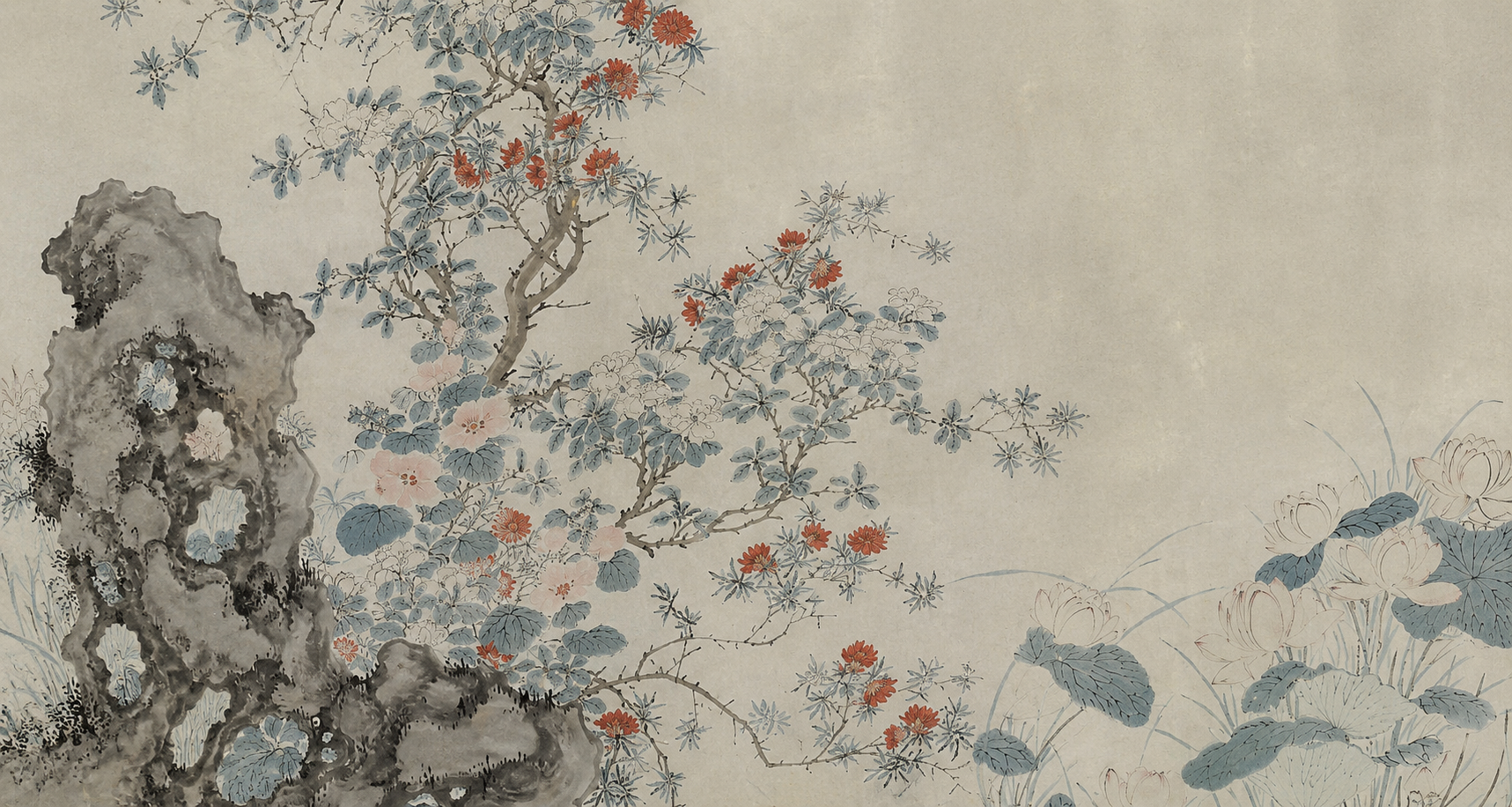
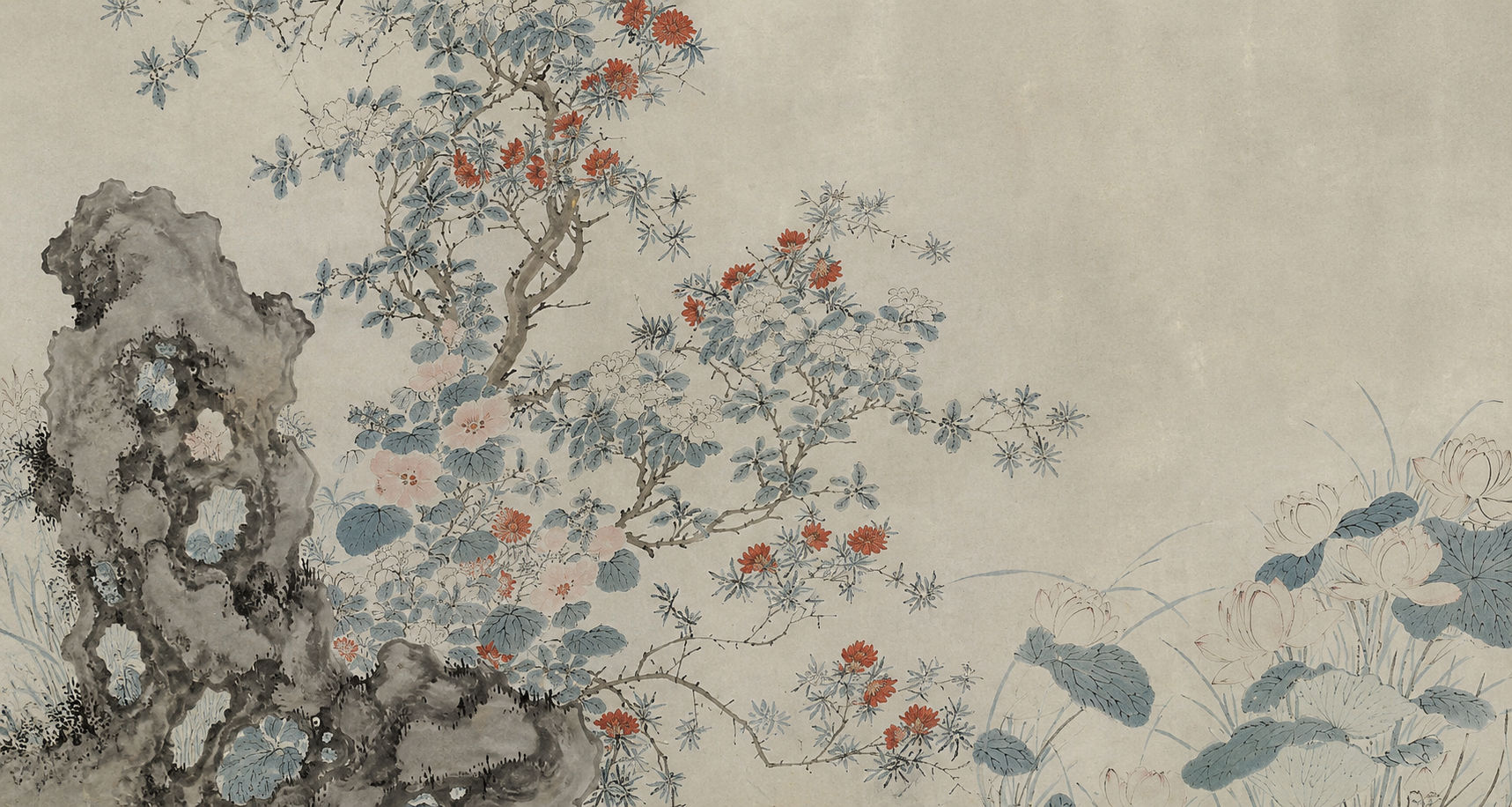
Summer Begins, or Lixia, is the seventh of the 24 solar qi nodes and occurs around May 5th or 6th, when the sun reaches 45 degrees celestial longitude. In 2026, it falls on May 5th.
Importantly, this is not “summer” in the modern American sense of blazing heat, vacation mode, and heat exhaustion disguised as leisure. Classical Chinese seasonal thought is observing something more precise. This is not peak Fire. It is the inauguration of summer. The world is entering visible flourishing.
In the Book of Rites, specifically the Yue Ling or “Monthly Ordinances,” the first month of summer is associated with the south, the color red, the note zhi, the number seven, and the flavor often translated as “bitter,” though some early translators rendered it “acrid.”
The text also gives seasonal signs. Depending on the translation tradition, these are rendered roughly as:
creatures beneath the earth beginning to call (think: crickets, frogs v)
earthworms emerging
wild melons or vines beginning to grow
bitter herbs flourishing
The imagery is important. Things hidden underground are emerging into visibility. Sound rises from the earth. Vines begin climbing vertically into space. Everything is moving outward. This is Yang now already ascended, moving into domination.
The Huainanzi describes summer qi as issuing outward and expanding into expression. This is one of the important distinctions between spring and early summer in classical cosmology.
Spring is emergence. Summer Begins is expression.
Something has already sprouted. Now it begins extending itself visibly into the world.
The classical worldview is not simply interested in weather patterns. It is pointing towards shared movements across climate, agriculture, governance, physiology, and human emotion. The same outward movement appearing in vines, thunderstorms, and insect song is understood to be occurring within human beings as well.
This is one reason people often feel suddenly more social around this time of year. There can be a renewed desire for movement, romance, visibility, creativity, travel, gathering, and activity. We want to stay outside longer. We want dinner with friends. We want music in the evening air.
Classical yangsheng, or seasonal life cultivation, does not oppose this impulse. It encourages participation in it, carefully. So, the season favors expansion, but not dissipation. Yin must be protected. (We have a long way to go.)
Or put more simply: express, but don’t scatter.
Lifestyle
Lifestyle guidance associated with Summer Begins generally includes:
rising somewhat earlier
spending more time outdoors
allowing mild sweating—not to depletion!
increasing movement
loosening excessive rigidity
engaging socially and creatively
At the same time, the texts repeatedly caution against overexertion. Summer qi moves outward, which means fluids can become depleted more easily and spirit can become overly dispersed. The goal is not to burn yourself up in the first warm week of May because you suddenly remembered joy exists.
The season opens. We participate in the opening.
Food shifts during this period as well. Winter foods tend to be dense, slow cooked, and deeply restorative. Early summer begins to lighten the table:
asparagus
peas
fava beans
tender greens
scallions
fresh herbs
cherries
mulberries
lighter broths
aromatic preparations
simpler meals
The overall direction is fresher, lighter, and more dispersing, but not aggressively cold or raw.
This is an important distinction because modern wellness culture often interprets seasonal eating as an excuse for dietary extremism. Suddenly everyone is drinking juice, eating raw kale in alarming quantities, and pretending digestion is a purely theoretical process. Classical Chinese medicine is generally less enthusiastic about this approach.
Even though summer corresponds with the bitter flavor in Five Phase theory, the recommendation is usually moderate and contextual. Slight bitterness and aromatic herbs help regulate rising heat and support qi movement, but excessive cold and raw foods can damage digestion even during warm weather.
So the seasonal feeling is more:
herbs
greens
fragrant teas
lightly cooked vegetables
gentle opening
And less:
punishment smoothies
The spirit of Summer Begins is not detoxification. It is participation.Acupuncture
Symptoms & Treatment
In classical Chinese medicine, this seasonal transition is also a time when people often begin noticing patterns related to heat, sleep, irritability, digestion, allergies, headaches, tension, or simple overstimulation after the relative containment of winter and spring.
An acupuncturist working seasonally may focus on helping the body adjust to the outward movement of summer qi while protecting fluids, supporting digestion, and preventing depletion.
We want to do this before the hotter months fully arrive.
Early summer—right now—is often an ideal time for treatment, not only when symptoms arise, but as a way of aligning more smoothly with the season itself.
Embracing this Time
The world is becoming visibly alive again. The appropriate human response is neither withdrawal nor frenzy. It is attunement.
This is one of the reasons the 24 qi nodes remain so compelling. They are not merely agricultural relics or quaint poetic markers. They are observations about relationship. They remind us that human beings are not standing outside seasonal change watching it happen. We are inside it.
Our moods change. Our appetites change. Our sleep changes. Our ambitions change. Even our conflicts change. The old texts observed this with precision.
Summer Begins marks the point where spring’s emergence becomes visible expression as summer. The task of the season is not to force growth, but to participate in it without exhausting ourselves in the process.
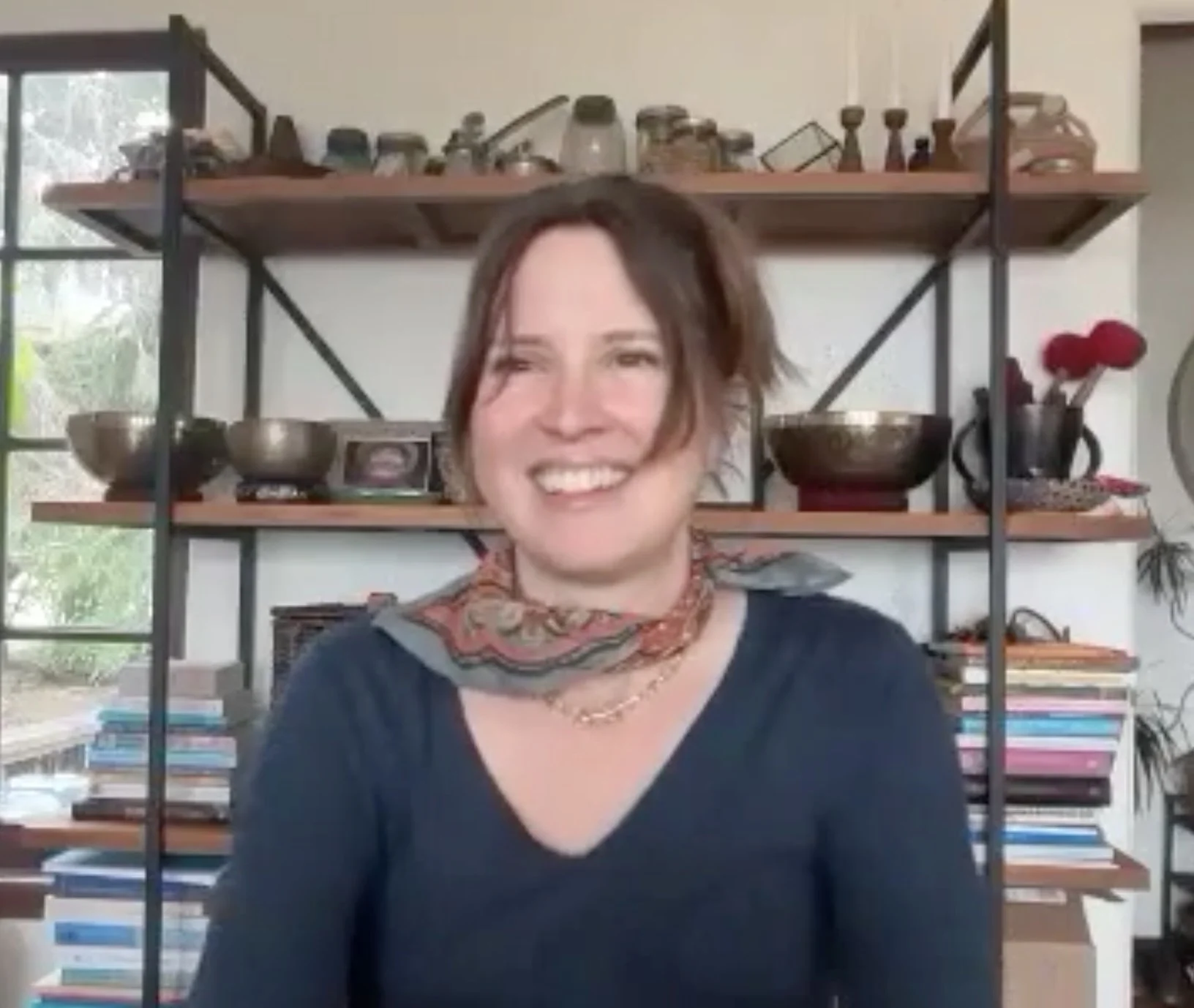
Anne Shelton Crute, LAc, DAOM, is an acupuncturist, herbalist, teacher, and practitioner of Chinese Polestar Astrology based in the San Francisco Bay Area. Her work focuses on classical Chinese medicine, seasonal living, cosmology, emotion, and the relationship between medicine and everyday life. She co-runs Ritual Health Acupuncture & Herbalism in the East Bay and teaches internationally in doctoral and continuing education programs.
Our monthly online Yangsheng classes explore the 24 solar qi nodes through the lens of classical Chinese medicine, seasonal living, food practices, cosmology, and gentle cultivation techniques for daily life. Co-taught with Tara Bianca Rado, each session offers practical ways to align with the movement of the season while deepening understanding of the classical calendar and its view of the relationship between Heaven, Earth, and human life.
Classes are held online once monthly and may be joined at any point in the cycle.