Yangsheng: Art of Living in Season
Monthly online cultivation through the seasonal cycle of the 24 solar qi nodes
Yangsheng, “nourishing life,” is the part of Chinese medicine that asks a larger question than how to treat illness: How should a human being live?
Through the ancient calendar of the 24 solar qi nodes, we explore food, rest, sleep, movement, tea, medicine, ritual, astrology, qi gong, relationships, and daily practice as ways of bringing human life back into relationship with natural time.
This is the “what else can I do?” class we have always wanted for our patients and community. It is for people on a healing path, practitioners who want to understand the world behind Chinese medicine, astrology geeks who want to work with the almanac, and anyone who simply wants to feel better and live in closer accord with the rhythms of the natural world.
Our culture teaches us powerful habits about time, productivity, appetite, rest, and what we should ask of our bodies. Many of them are so deeply conditioned that they can feel like reality itself. Yangsheng offers another lens: an older understanding of human life in which the body is not separate from season, climate, place, community, and time.
There is nothing strenuous to accomplish here. Month by month, we steep in this older worldview and learn to recognize its patterns in ordinary life. The aim is not another program of self-improvement, but a gradual return to a more natural, nourishing, pleasurable, and sustainable relationship with our bodies and the world around us.
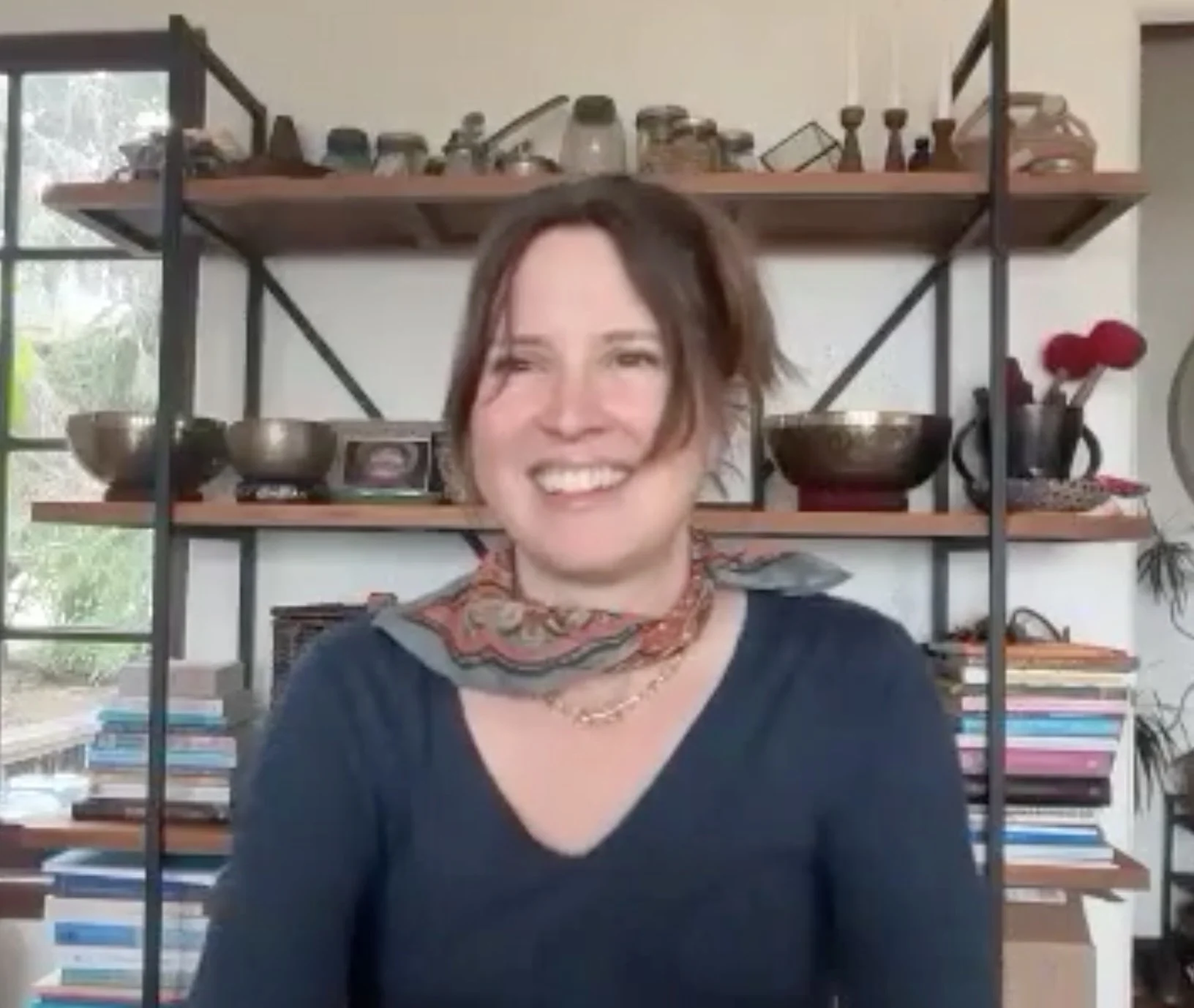
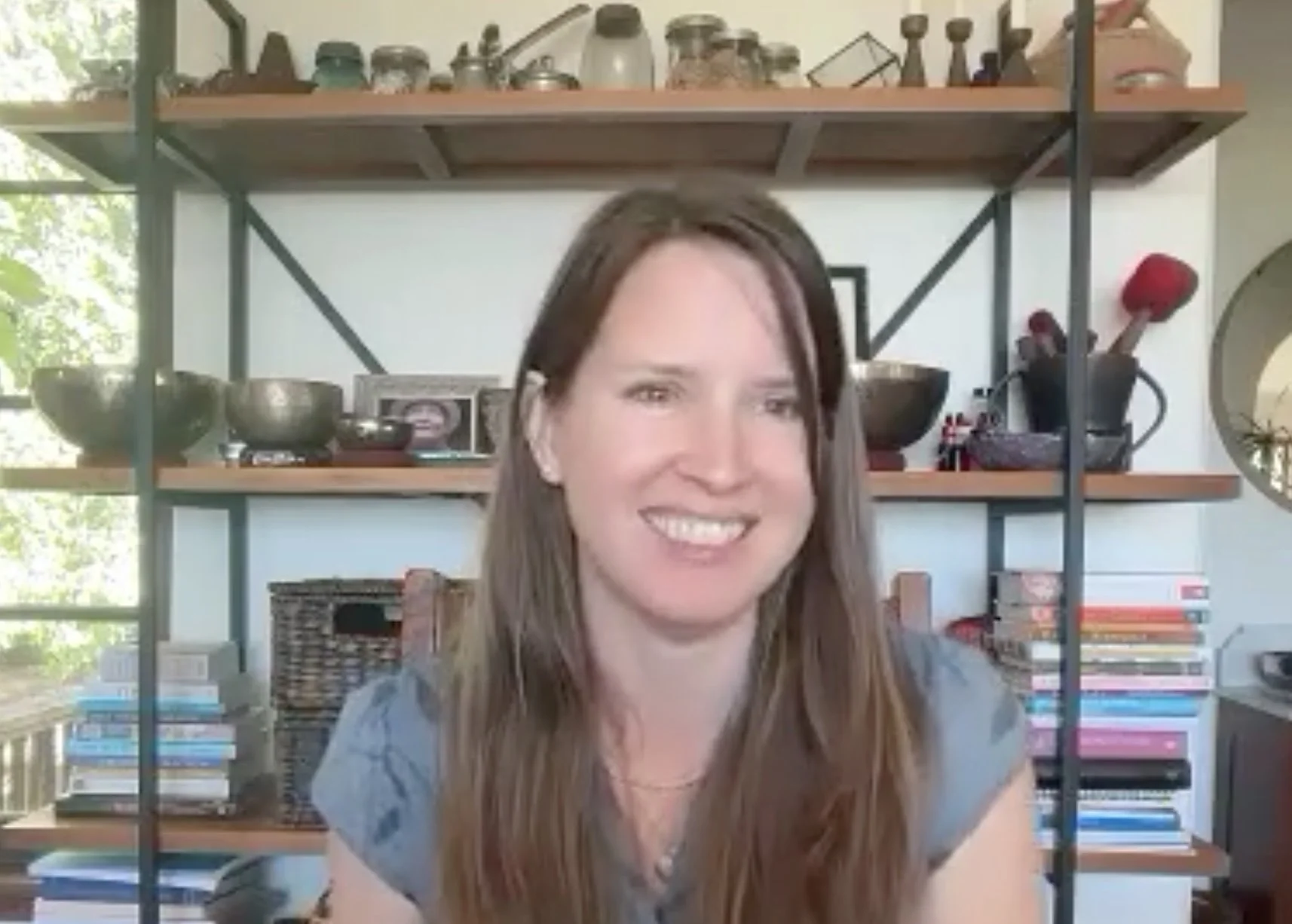
Dr. Anne Shelton Crute and Tara Bianca Rado, licensed acupuncturists in Berkeley, CA and Durham, NC respectively, offer teachings rooted in classical Chinese medicine, seasonal cosmology, traditional health cultivation, and the calendar arts.
What Is Yangsheng?
Yangsheng, “nourishing life,” is the classical Chinese practice of aligning human life with the movements of nature, season, climate, and time.
Rather than approaching health only through symptoms or crisis, Yangsheng emphasizes daily cultivation through food, sleep, movement, rest, tea, relationships, ritual life, and qi gong.
In Chinese medicine, these practices were historically considered foundational forms of healthcare—ways of preserving vitality before illness fully develops.
Yangsheng is both practical and contemplative: a way of caring for the body while cultivating greater sensitivity to season, place, timing, and the larger patterns in which human life participates. We approach it not as another program of rigid self-improvement, but as an ongoing relationship with the living movement of the year.
Watch Video
Inside the Practice
Each month, we gather within the current seasonal moment—learning to recognize what is happening in the natural world, how those same movements appear in the body and human life, and how we might respond.
Seasonal Qi Node Teachings
We follow the 24 solar qi nodes as a living calendar, learning the qualities of each seasonal moment and the larger movements of yin and yang, the five phases, climate, and qi that shape the year.
Everyday Medicine
Food, broths, herbs, teas, sleep, movement, bathing, clothing, home practices, and other ordinary ways of supporting the body. We look not only at what might be useful, but why—so that over time you can begin to make these choices for yourself.
Cultivation & Practice
Qi gong, breathing, meditation, ritual, sensory practices, and simple forms of attention that help us participate consciously in the movement of the season rather than merely thinking about it.
Astrology & Timing
We work with the traditional almanac and Chinese astrology to explore the qualities of time at scales larger and smaller than the seasons—from the character of a particular year to the texture of an individual day.
Community & Reflection
Yangsheng becomes richer through observation over time. We make space for questions, experiences, discoveries, recipes, experiments, and the accumulated wisdom of a community practicing through the seasons together.
What Are the 24 Qi Nodes?
The 24 solar qi nodes are an ancient East Asian calendar system dividing the solar year into 24 seasonal thresholds, or microseasons.
Rather than treating the seasons as fixed blocks, the qi nodes track subtle transitions in climate, light, agriculture, physiology, and daily life as the year unfolds.
In this assembly, we use the solar nodes as a practical framework for understanding how seasonal change expresses itself through the body, appetite, sleep, mood, social life, and patterns of activity and rest.
While each monthly gathering focuses on the season immediately unfolding around us, the deeper aim of the practice is to cultivate skills and awareness that continue throughout the entire year.
Structure & Enrollment
Yangsheng is an ongoing practice and course of study, designed to unfold over approximately two years. Rather than following a fixed beginning-to-end curriculum, the teachings move with the seasonal cycle, deepening as we return to the same seasons with greater experience and understanding.
You may step into the circle at any point in the year.
Enrollment is offered six months at a time. Live attendance is encouraged whenever possible, but recordings are available to enrolled participants when life prevents attendance and allow the teachings to be revisited as the seasons return.
Six-month enrollment: $360
If you are new to Yangsheng and would like to experience the class before committing, you are welcome to attend your first gathering for $65. If you decide to continue, that payment will be applied toward your six-month enrollment, leaving a balance of $295.
To join: Send payment by Venmo to @Tara-Rado, then email Anne to let us know you have enrolled. We’ll send you the class link and information about joining our ongoing Yangsheng WhatsApp community.
If the cost of six-month enrollment would genuinely prevent you from participating, please contact us directly. We want the practice to remain accessible and will make room where we reasonably can.
Upcoming Sessions
Sundays • 1–3pm EDT / 10am–12pm PDT
August 23, 2026
September 13, 2026
October 4, 2026
November 8, 2026