
By Adam Okerblom, LAc, DAOM
The Primary Source: The Gyud Zhi (རྒྱུད་བཞི།) “Four Tantras” of Tibetan Medicine
Tibetan medicine offers a nuanced view of sex and gender that recognizes more than just male and female. The classical medical canon describes human gender not as a simple binary, but as a spectrum of anatomical and psychological expressions.
In Tibetan medicine, the primary source for understanding the human condition is the Gyud Zhi (རྒྱུད་བཞི།), the “Four Tantras,” a foundational text that outlines theory, diagnosis, and treatment. Within the Explanatory Tantra, a section called Lu Kyi Lay (ལུས་ཀྱི་ལས།), “the actions of the body,” describes the presentation of sex. This section states: “Ten gi yena po mo ma ning sum“ (རྟེན་གིས་དབྱེ་ན་ཕོ་མོ་མ་ནིང་གསུམ།), which introduces three categories of sex: male “pho", female “mo”, and neutral-sexed “ma ning”.
Subcategories of the “ma ning” (མ་ནིང།) Neutral Sex
Within the “ma ning,” there are three subdivisions. The first two, “neither sex” and “both sexes,” refer to anatomical presentations that today might be associated with intersex or hermaphroditic bodies. These descriptions focus on physical form, recognizing that some people’s anatomy does not fit neatly into male or female patterns.
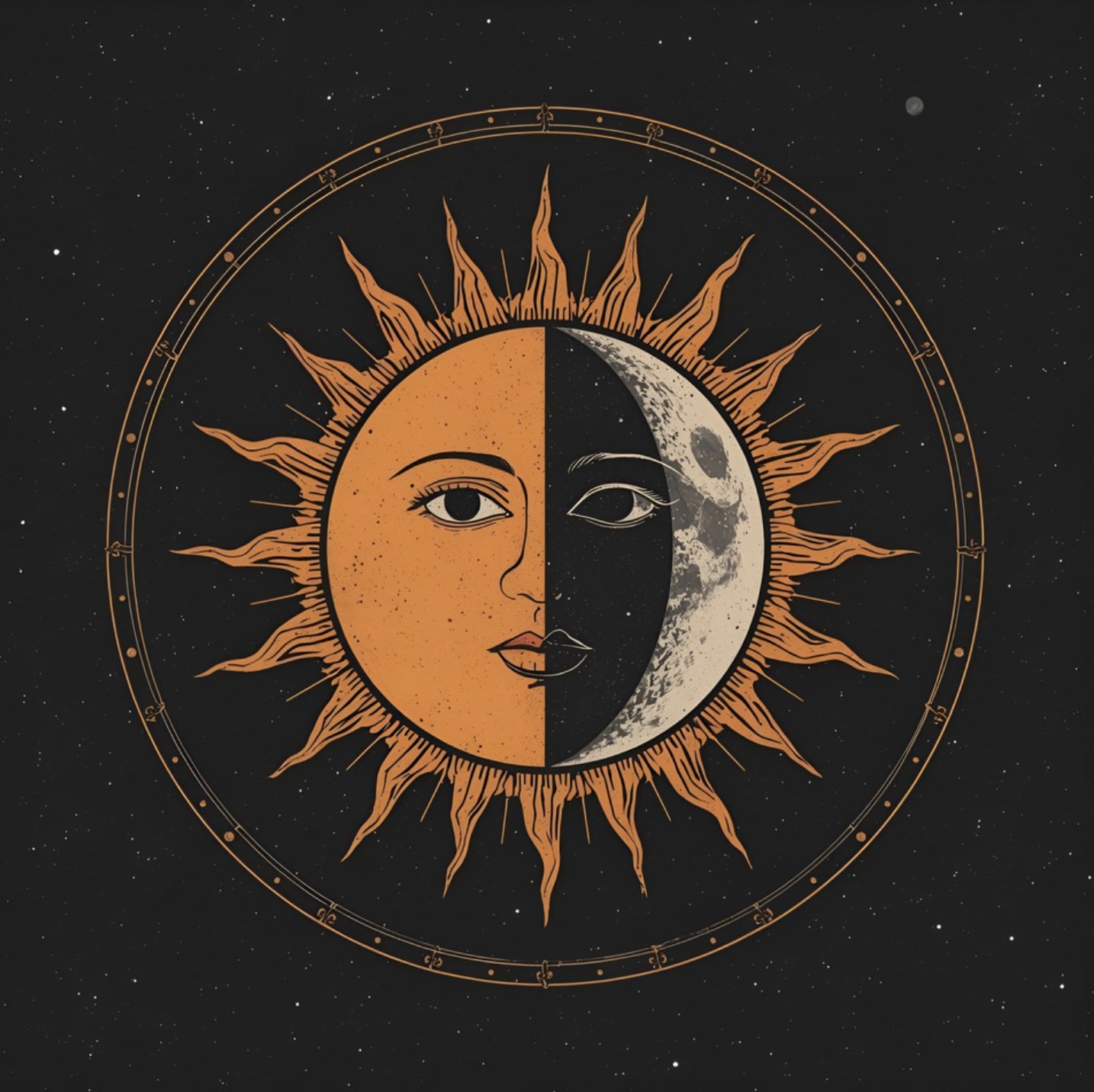
The third subdivision is known as “changeable sex,” and it refers more to mental–emotional expression of gender. Tibetan cultural interpretations of gender fluidity sometimes connect changing gendered feelings to natural cycles, such as the phases of the moon. For example, it is said that some people may feel more masculine or male-oriented during the waxing moon and more feminine or female-oriented during the waning moon. This imagery links gendered experience to the rhythms of the cosmos, offering a poetic framework for understanding internal shifts without pathologizing them.
It is important to note that all of these descriptions appear in a chapter about normal bodily functions, not in sections about disease or abnormality. The text situates gender diversity and nonbinary presentations within the ordinary spectrum of human life, rather than as defects to be corrected. In this view, different presentations of sex and gender are embedded in a broader understanding of health that includes physical form, psychology, and relationship to the environment.
watch video:
Acupuncturist and Tibetan Medicine Practitioner Dr. Adam Okerblom discusses the presentation of sex and gender according to the “Gyud Zhi” classical texts of Tibetan Medicine