Living in Time
Most of us are not coordinated in time.
We organize our lives by obligation, convenience, and weather. But in the classical Chinese medical view, time is not abstract. It is structured. It moves in discernible phases, and those phases shape what is possible in the body.
Acupuncture works inside of this.
Our conduct should match it, and can carry us forward when we are unable to receive care. Many of us were never offered good models for what to do with our hands and minds when we are not constrained by necessity or pressure.
Conduct and treatment are not just about symptoms, but timing. We engage this work to understand what the body is being asked to do in a given moment of the year, and to help it respond easily and appropriately.
This creates more space for the mind, and more ease in the body.
The 24 Solar Qi Nodes
Tara and I are offering a class right now about adjusting lifestyle to timing. At the core of this class is learning how to live in rhythm with the 24 solar qi nodes.
These are the subtle seasonal markers that organize the year in the Chinese calendar. They track the actual movement of qi through shifts in climate, light, and activity, offering a more precise orientation than the broad categories of “spring” or “summer.”
When you begin to follow them, lifestyle stops being generic and becomes timely.
This is the home expression of what we do in the clinic.
In treatment, we guide the movement of qi through the channels. With Yangsheng—life-nourishing practices— you learn how to support that same process through daily life. Food, activity, rest, and small seasonal adjustments begin to align with what the body is already trying to do.
For those who study astrology, this may feel familiar. The chart shows structure. The calendar shows movement. But even without that framework, the body itself is already participating in these cycles. The question is whether we are working with them or against them.
Why This Season Matters
This current phase of spring is a little unstable.
Yang is rising but not yet settled. Yin needs to be protected even as movement increases. If that balance is not maintained, the transition into summer can allow things that seem minor to take root more deeply.
There is a lot we can do at home very simply. We present a bunch in the class, and you probably already know what some things that you can do to support yourself at this time might be. I want to make the argument that they should be appealing. Small adjustments that make a real difference.
I will say this gently, but clearly: this is one of the most important times of year to be in acupuncture treatment, if you can.
Oddly, people tend to drop off in their care when the weather becomes warm and pleasant. People travel. Schedules loosen. But this is precisely when support matters. The yang (and in some areas actual heat) to come is consuming. Yang moving through the channels needs guidance. Yin needs protection.
This is the moment where small interventions prevent larger problems.
About the Class
We just had our second Yangsheng: Art of Living in Season monthly class, and the recording is about to go out. If you’ve been considering joining, this is a good entry point.
This class offers a steady, practical way to study and embody the seasonal qi as it unfolds through the year.
Each month includes:
Teachings on the 24 solar qi nodes and their cosmological meaning
Simple seasonal recipes and food practices
Gentle qigong and breathwork appropriate to the time of year
Reflection on how to use our energy when it is not consumed by obligation or strain
Over time, the class becomes a kind of living almanac. A place to return each month to recalibrate, nourish the body, and remember the larger rhythms we belong to.
No prior experience is required. This class is open to patients, students, and anyone interested in Chinese medicine as a lived practice.
Format & Participation
Classes meet monthly on Sundays at 1 pm Eastern / 10 am Pacific
Recordings are sent if you miss the live session
The course unfolds over about two years, but you may join at any time
Cost is $65 per class, payable via Zelle, Venmo, or PayPal
This class is designed to help you carry your care with you. To stay aligned even when life becomes more mobile.
If you are around town, this is an especially important time to come in for treatment, with us or with your regular acupuncturist. I’m about to send out the latest recording, so let me know if you want to join. Just email me anne@ritualhealth.com
About the Teachers
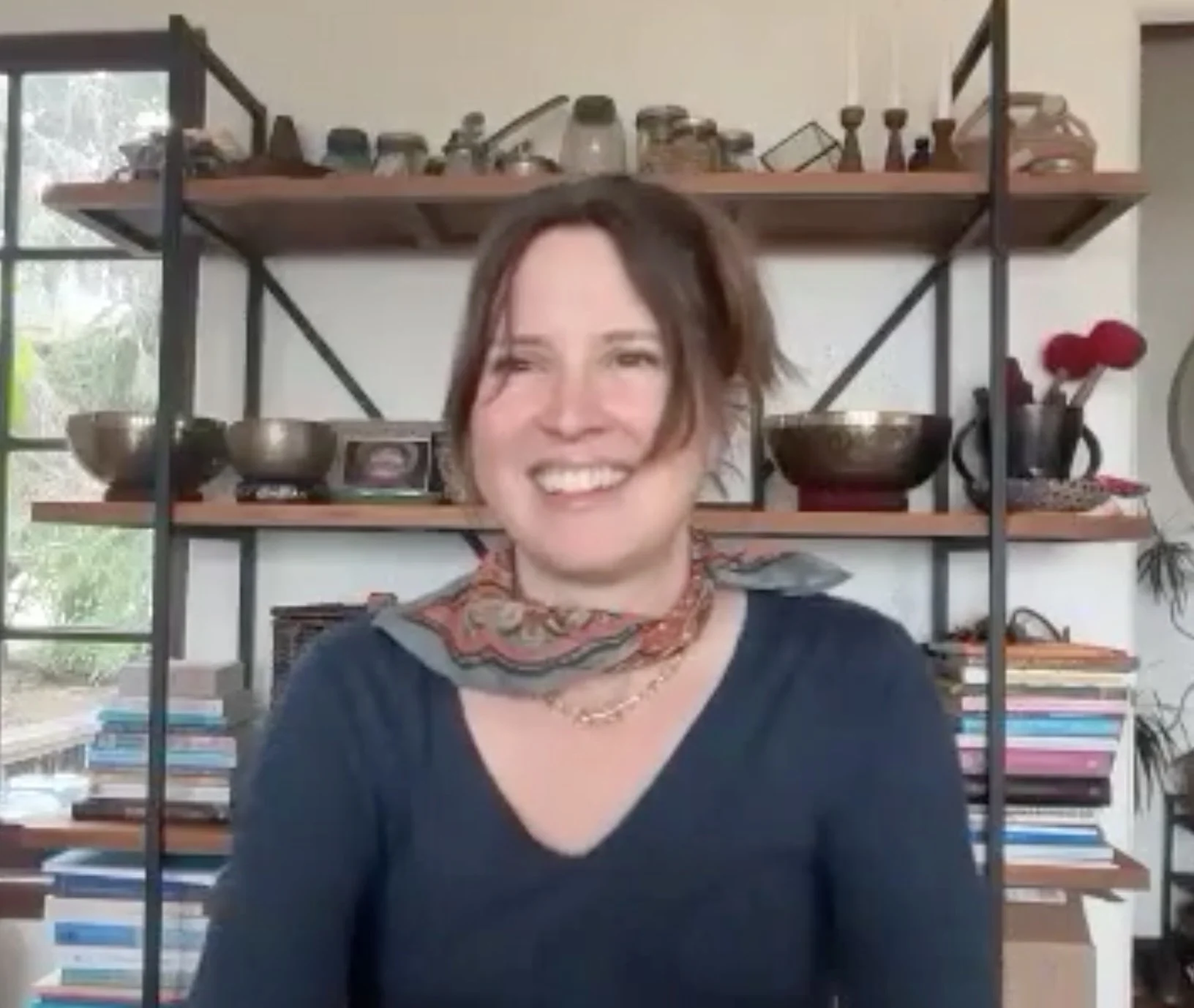
Anne Shelton Crute, LAc, DAOM
Anne is the founder of Ritual Health Acupuncture & Herbalism in Berkeley, California, a Doctor of Acupuncture and Oriental Medicine, and a Chinese Polestar astrologer. She is a published author and educator, with a chapter in A Ring Without End: Reflections on Classical Chinese Medicine Mind/Body Mapping, and serves as an editor on several Chinese medicine and astrology texts, including her teacher Liu Ming’s forthcoming book on Chinese Polestar astrology. Anne has been in clinical practice for more than fifteen years and has trained through private apprenticeships in Chinese medicine, Ayurveda, Tibetan herbalism, and astrology in the U.S., Japan, and India. Her work focuses on chronic illness, nervous system regulation, life transitions, and reconnecting patients with their innate sense of spirit.
Tara Bianca Rado, LAc
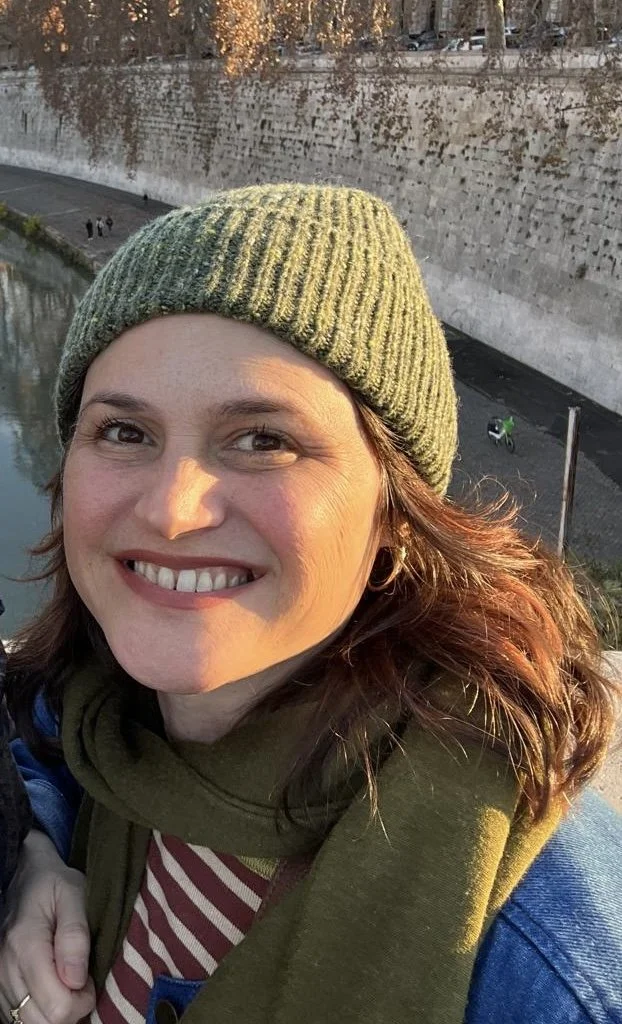
Tara is the founder and lead acupuncturist of Durham Integrative Health and Acupuncture Center, a nonprofit sliding-scale clinic in Durham, North Carolina. She began studying traditional healing arts in the mid-1990s through Asian bodywork, qi gong, meditation, and community-based Western and native herbalism, and worked for nearly two decades as a massage therapist specializing in shiatsu and tui na. She later completed formal training in Traditional Chinese Medicine, earning her master’s degree from the Acupuncture and Integrative Medicine College in Berkeley and a bachelor’s degree in Medical Anthropology from the University of California, Berkeley. Tara’s clinical work integrates acupuncture, herbal medicine, and bodywork, with a focus on accessibility, partnership, and cultivating resilience, connection, and joy in the healing process. She continues to deepen her studies in Classical acupuncture and Daoist healing, and also practices Chinese Polestar astrology.