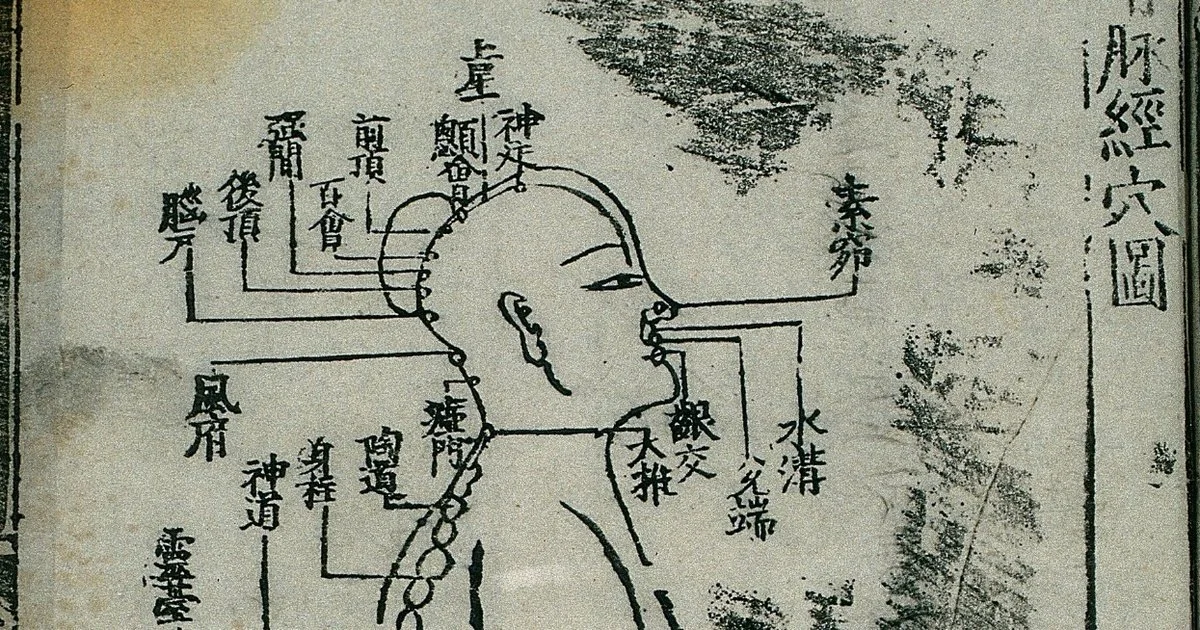
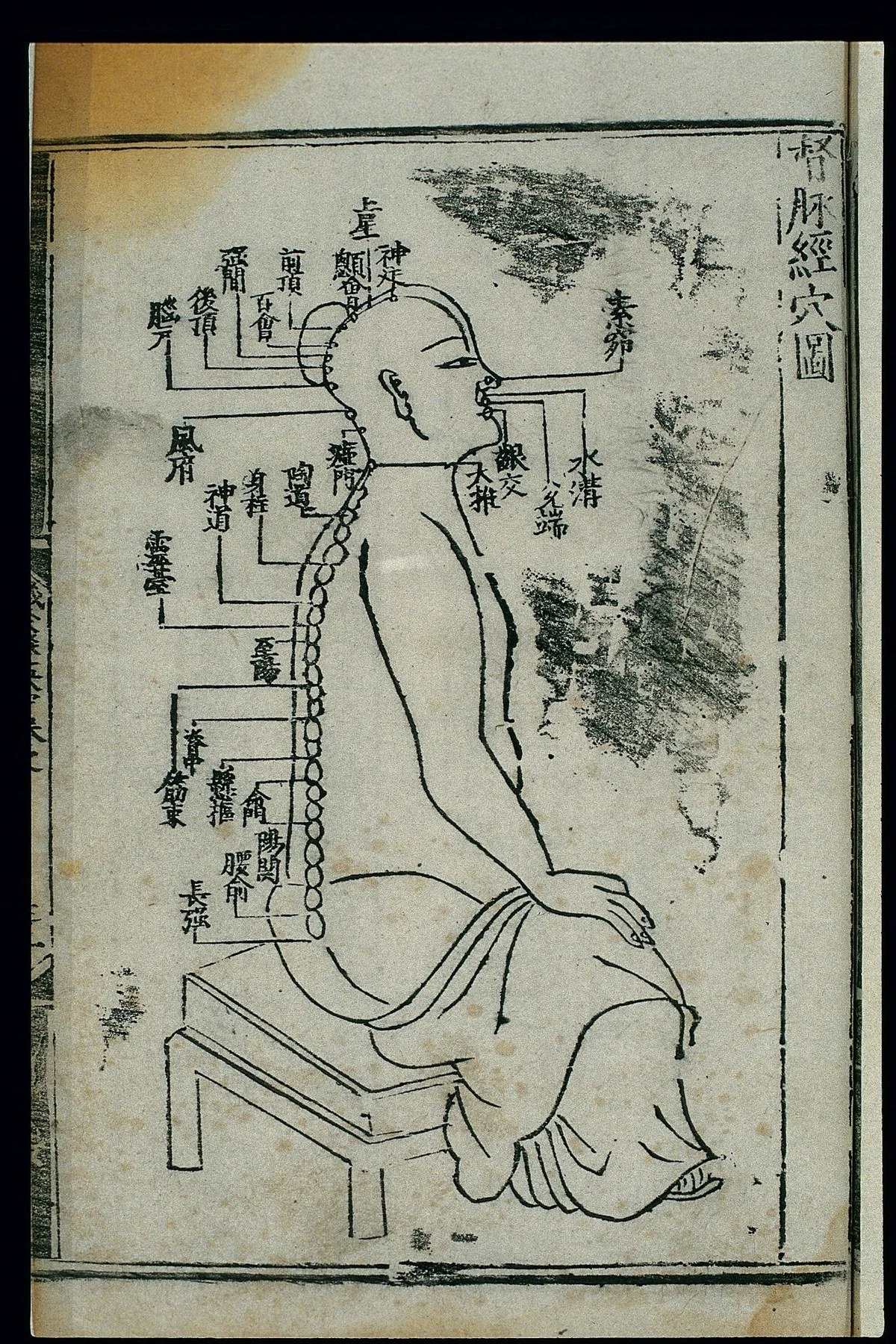
Acupuncture chart of the Dūmài 督脈 (Governor Vessel), Ming dynasty, 1537. Woodcut illustration. Wellcome Collection, Public Domain.
Alchemical Acupuncture: How Often Should I Get Care?
One of the questions we are asked most often is: How often should I get acupuncture?
The best answer is that everyone’s case is a little different. Frequency depends on your health, your constitution, what you are treating, how long it has been going on, and what you want acupuncture to do for you.
That being said, there is a useful rule of thumb against which to compare your specific situation.
Even a perfectly healthy person benefits from seasonal care
Imagine the mythical 22-year-old who sleeps perfectly, digests everything, runs up hills for fun, recovers instantly, and has never met a symptom.
No diagnosis. Nothing particularly wrong. Peak health.
We would still suggest that person receive acupuncture once each season, with an additional treatment during the season that is personally most challenging.
Someone who is particularly sensitive to winter cold, for example, might come once as we enter winter and again during the depths of the season. Someone who predictably struggles with allergies in spring might do the same then.
That works out to roughly five treatments a year for an exceptionally healthy person.
Of course, even our mythical perfectly healthy person might occasionally wake up with a crick neck, need help recovering after a particularly bad cold or flu, or simply know that something is beginning to go off course. Come in then, too.
Otherwise: enjoy your life.
The Suwen makes the point memorably: waiting until illness has fully formed is like “digging a well when one is already thirsty.” The aim is not to live anxiously in anticipation of disease, but to maintain enough relationship with your body that you can respond before things become entrenched.
It is a little like caring for your car. If you want it to keep running well, you do some maintenance before the engine light comes on. More importantly, regular care creates a long-term relationship with a physician who comes to know your body, your constitution, your life, and your circumstances well enough to notice change early.
Why treat at the change of season?
In Chinese medicine, health is not understood as something the body produces entirely on its own.
We live in intimate relationship with weather, daylight, temperature, food, activity, rest, age, relationships, and time. The body is constantly reorganizing itself in response and in coordination with nature.
This is because we are nature. We are not simply in nature.
Seasonal transitions require a particularly significant physiological adjustment. The movement from summer into autumn, autumn into winter, winter into spring, and spring into summer asks the body to change what it is doing.
These transitions are complicated by a culture that often asks us to treat every day as the same. Working hours and school hours stay largely the same throughout the seasons. The alarm goes off in the morning at a set time, and many of us are habituated to a certain number on the clock telling us when it is time to sleep at night.
Electric lighting makes all the days feel more alike in length than they did for our ancestors. Heating and air conditioning also modulate our experience of the seasons, so sometimes our bodies do not fully adjust into winter and summer modes in the way they might if we were more exposed to weather and natural light.
All of this can distance us from our own seasonal rhythms: periods of greater energy and deeper fatigue, shifts in appetite, changes in sleep, changes in mood and sociability, and changes in what kinds of food and movement feel good.
The body is still responding to the season, whether or not our schedules acknowledge it.
This is also the broader work of yangsheng, or “nourishing life”: learning to recognize what time it is, what the season is asking of us, and how to adjust accordingly.
Acupuncture can help make that transition more coherent.
I also want to relieve you of something here: health does not need to be approached as a project of personal discipline.
We do not always need another set of austerities, restrictions, supplements, exercises. So many shoulds and shouldn’ts make us feel we have to somehow bootstrap ourselves into doing health correctly.
That approach is too harsh.
You can just love yourself and let the body reorganize around the movement already available in the season.
Rather than forcing health, we can help the body be carried toward it by changing circumstances.
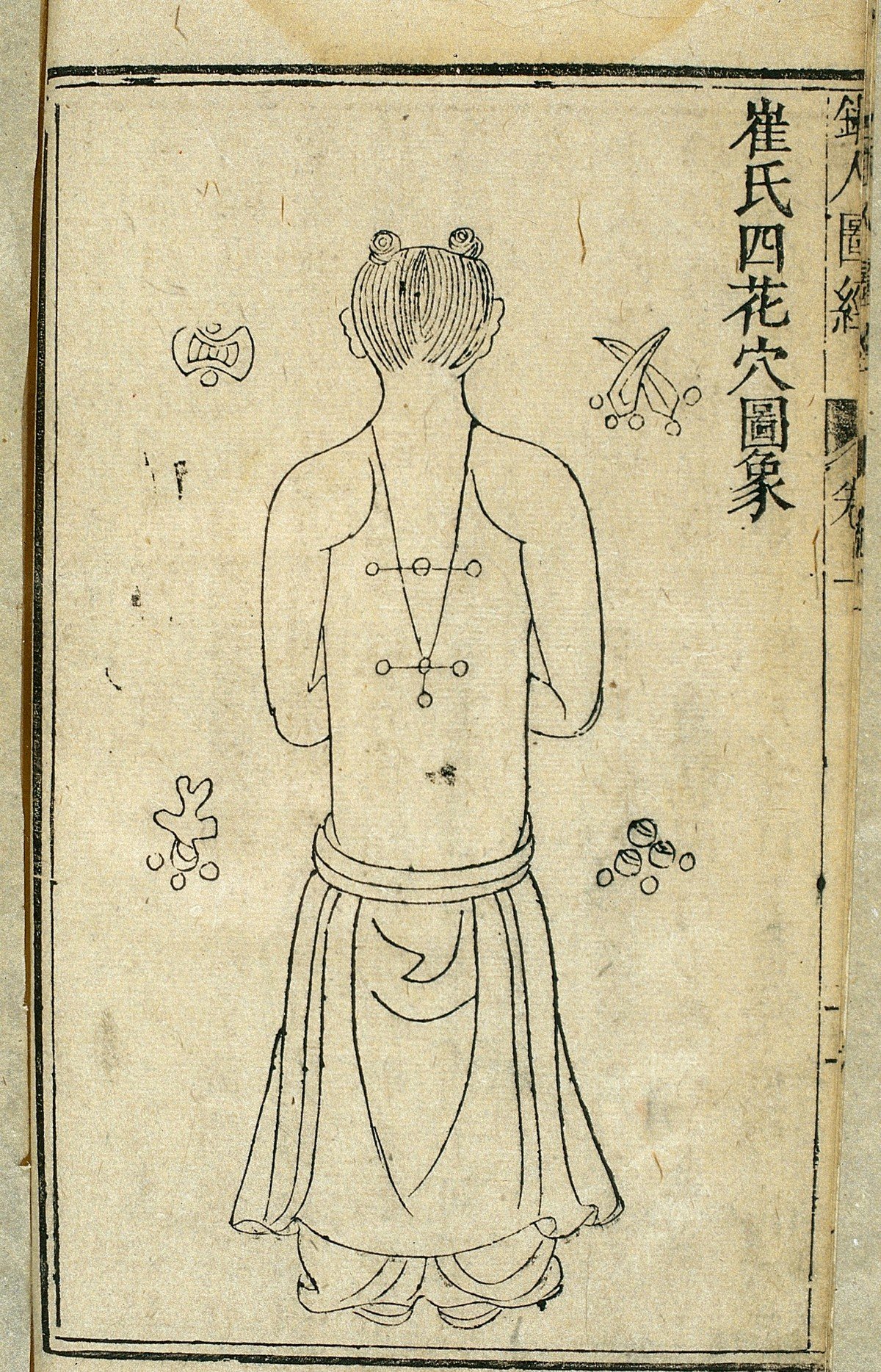
The Four Flower Points, a historical Chinese moxibustion diagram associated with treatment of deep deficiency and consumptive illness. Woodcut, 1443.
Alchemical Care
Most of us are not that mythical 22-year-old.
If there is an ongoing symptom, a chronic condition, a recent injury, disrupted sleep, digestive trouble, pain, anxiety, hormonal change, or some other persistent loss of function, treatment usually needs to happen more frequently.
At that point we are working in two directions at once.
The first is immediate: alleviate the problem and/or stave off further loss of function.
We want pain to diminish. Sleep to return. Digestion to work better. Circulation to improve. The nervous system to become less reactive. The mind to relax.
Whatever is struggling needs support.
The second direction is just as important: work backward into health by REMEMBERING HEALTH.
It is possible for a symptom to improve without the terrain that produced it changing very much. Our aim is not merely to repeatedly suppress the same flare.
We want to gradually increase the body’s capacity to regulate itself. For this, consistency matters.
Depending on the situation, that may mean weekly treatment for a period, treatments every other week, monthly care, or another rhythm that makes sense for your particular case. Chinese herbal medicine can also be enormously useful here because a customized formula extends the treatment into daily life and can be adjusted as your condition changes.
The treatment schedule should change as you change.
Acupuncture Helps Us Get Real
Acupuncture is not only for when something is wrong.
There is another way to use acupuncture that becomes possible once we stop thinking of it simply as a treatment for symptoms.
Acupuncture can also be a practice of self-cultivation. It can be part of an internal alchemical process.
Adjusting the channels when everything seems basically fine can reveal patterns before they have condensed into obvious illness. It can improve physical function, but it can also make subtler habitual tensions perceptible: the places where we brace, overextend, withdraw, compensate, or continually spend more energy than we have.
It can even open up appetites for other changes.
Sometimes people get into care and suddenly they want to drop sugar and alcohol, suddenly they have joined a gym or a dance class, suddenly they are making art and music again, suddenly they are ready to leave the toxic job environment, suddenly they are ready to ask for the boundary they need with the problematic person.
It isn't that acupuncture causes this directly, but it creates the conditions for those changes.
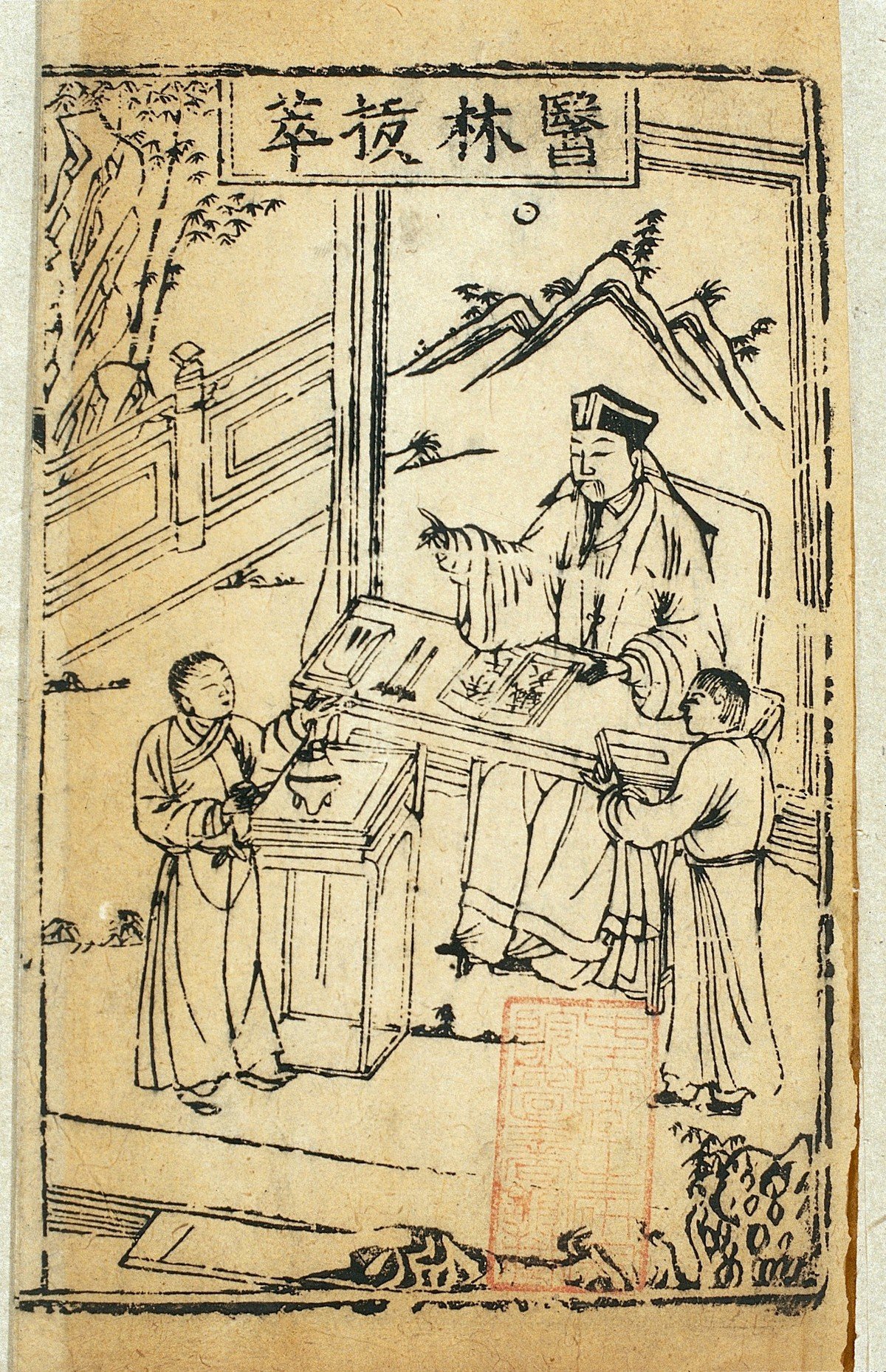
Master physician and disciples from a Ming-dynasty acupuncture text, illustrating the transmission of acupuncture knowledge through teaching and practice.
Acupuncture to Treat Cause of Birth
One of my teachers Liu Ming used to describe a progression in acupuncture practice:
At first, we go to acupuncture for the causes of disease. Eventually, we go to acupuncture for the cause of birth.
The first question is: Why am I sick?
The deeper question becomes: Why am I like this? What is the particular configuration of energy that has become this life?
At this level, acupuncture becomes part of an alchemical path.
Treatment directly reveals our own energy to us. Life force that has been tied up in compensation becomes available in new ways. Physical optimization and psychological healing begin to overlap. We become more coordinated with the seasons and more sensitive to the particular way our own lives are unfolding.
There is always another layer.
It is a little like peeling an onion: we resolve one pattern and discover what was underneath it. Then another layer becomes visible. This does not mean that we are endlessly finding things “wrong” with ourselves.
Quite the opposite.
It is a beautiful, ongoing discovery of the different layers through which our energy has organized itself into a life.
So how often should you come?
There is no single schedule for everyone.
As a starting point:
If you are exceptionally healthy, think seasonally: approximately five treatments a year.
If you are treating an active problem, come consistently enough to create real change, then decrease frequency as function returns.
If you have a chronic condition, regular acupuncture and a customized herbal formula may become part of the longer work of restoring resilience rather than repeatedly responding to crises.
If you are interested in cultivation, optimization, or the deeper unfolding of your health, acupuncture can remain valuable long after a particular symptom has disappeared.
The important thing is not to wait until your body is shouting.
Chinese medicine is at its best when we can listen while it is still speaking quietly.
If you are curious about what this kind of care could look like for you, spend some time exploring the work we do at Ritual Health, or come in and let us take a look at what your body is asking for now.
Ritual Health Acupuncture & Herbalism
Acupuncture and Chinese herbal medicine in Berkeley and the East Bay.
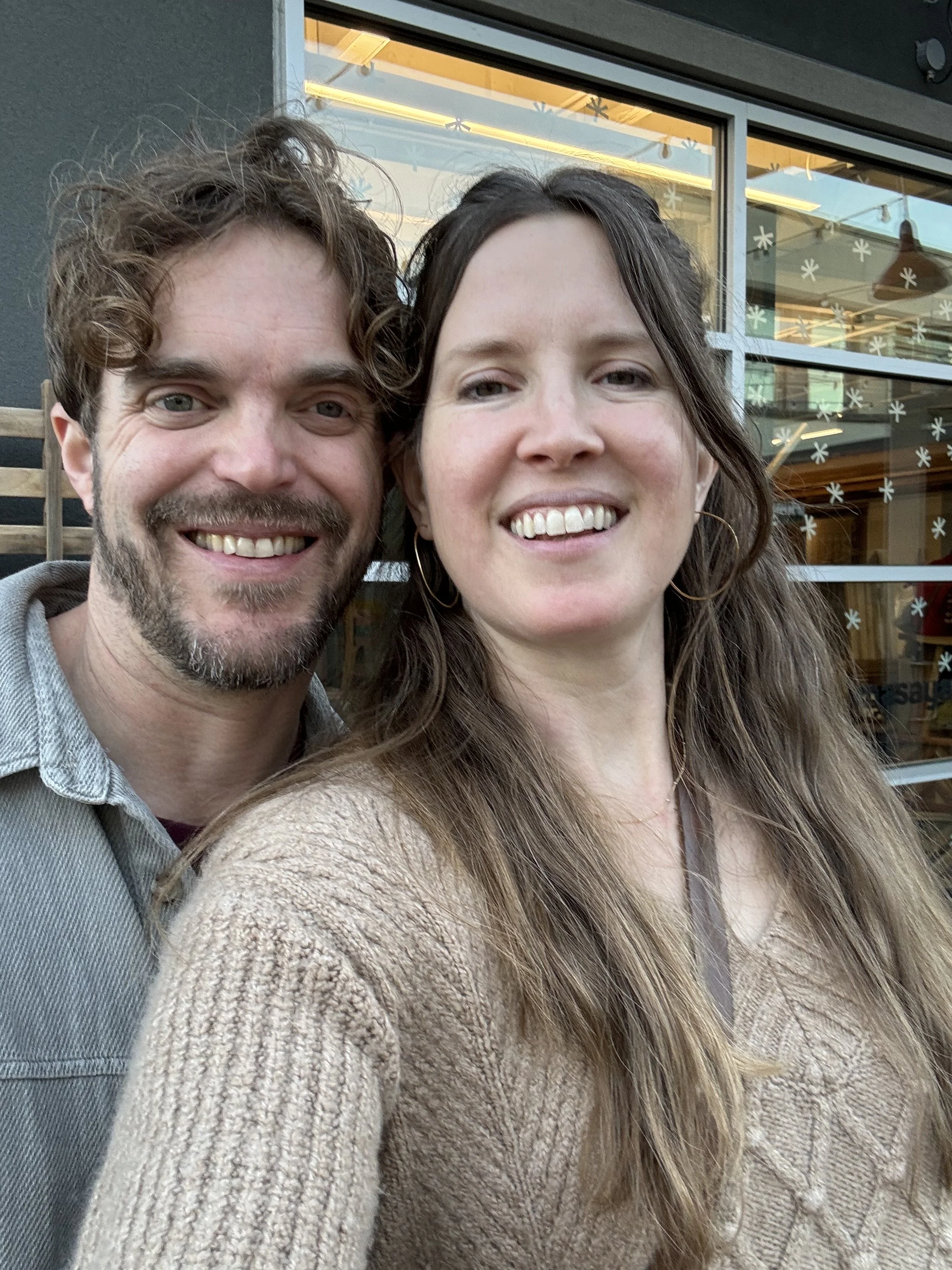
Dr. Anne Shelton Crute and Dr. Adam Okerblom of Ritual Health Acupuncture & Herbalism
About the Authors
Dr. Anne Shelton Crute, LAc, DAOM is a Doctor of Acupuncture and Chinese Medicine and founder of Ritual Health Acupuncture & Herbalism. Her clinical work focuses on acupuncture and Chinese herbal medicine for chronic and complex conditions, including pain, digestive and autoimmune concerns, insomnia, nervous system dysregulation, hormonal change, and emotional overwhelm. She also teaches and writes on classical Chinese medicine, Yangsheng, and Chinese Polestar Astrology.
Dr. Adam Okerblom, LAc practices acupuncture, Chinese herbal medicine, and Tibetan Medicine at Ritual Health Acupuncture & Herbalism. He works with chronic, complicated, and long-standing health patterns and integrates Chinese and Tibetan pulse diagnosis into individualized treatment. His approach is especially suited to patients looking for thoughtful, whole-person care that addresses both current symptoms and the deeper patterns underlying them.
Together, Anne and Adam practice at Ritual Health Acupuncture & Herbalism in the San Francisco East Bay with locations in Berkeley, Albany, and El Cerrito, where their work combines classical medicine, seasonal cultivation, and individualized long-term care.