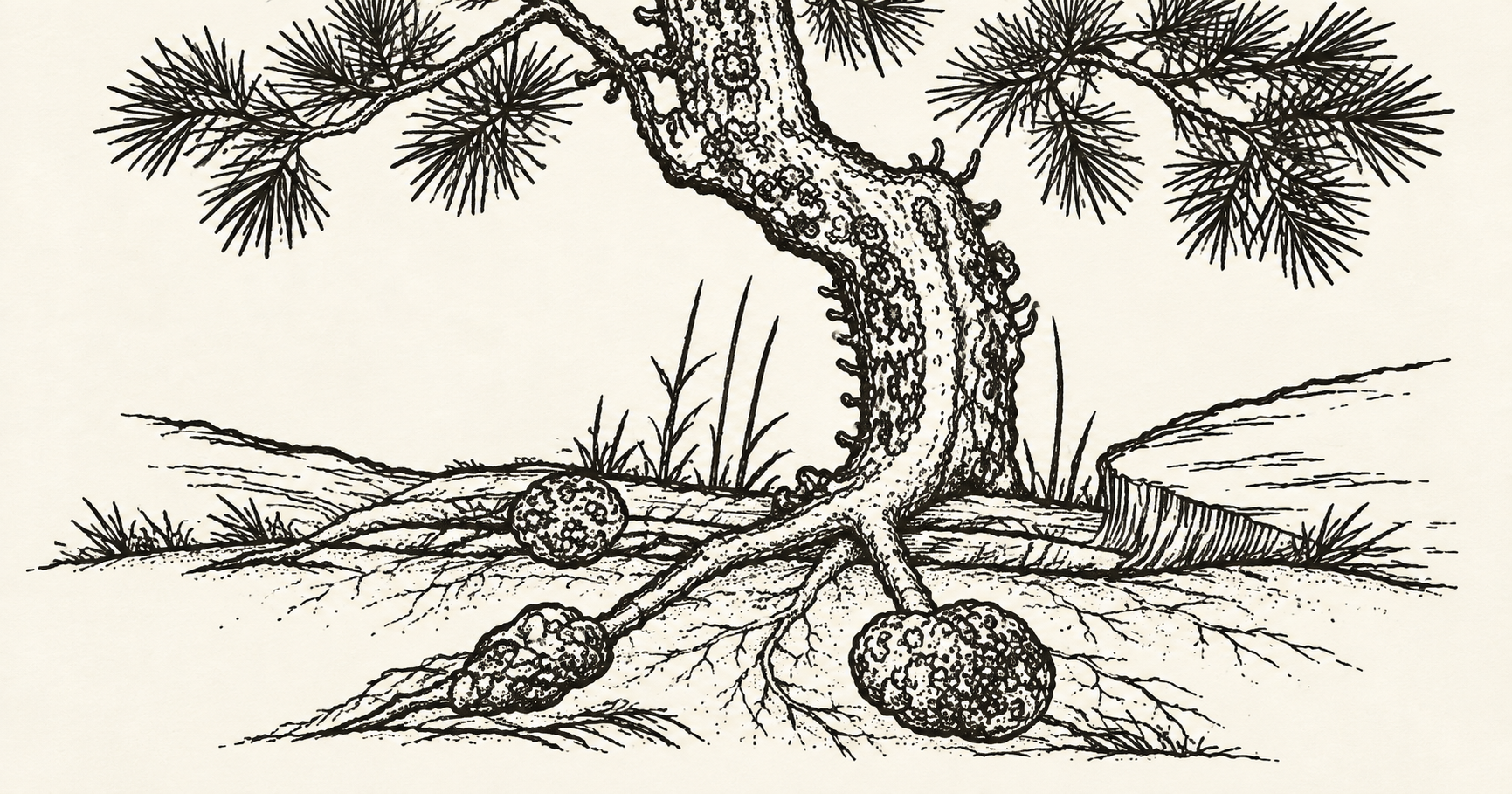
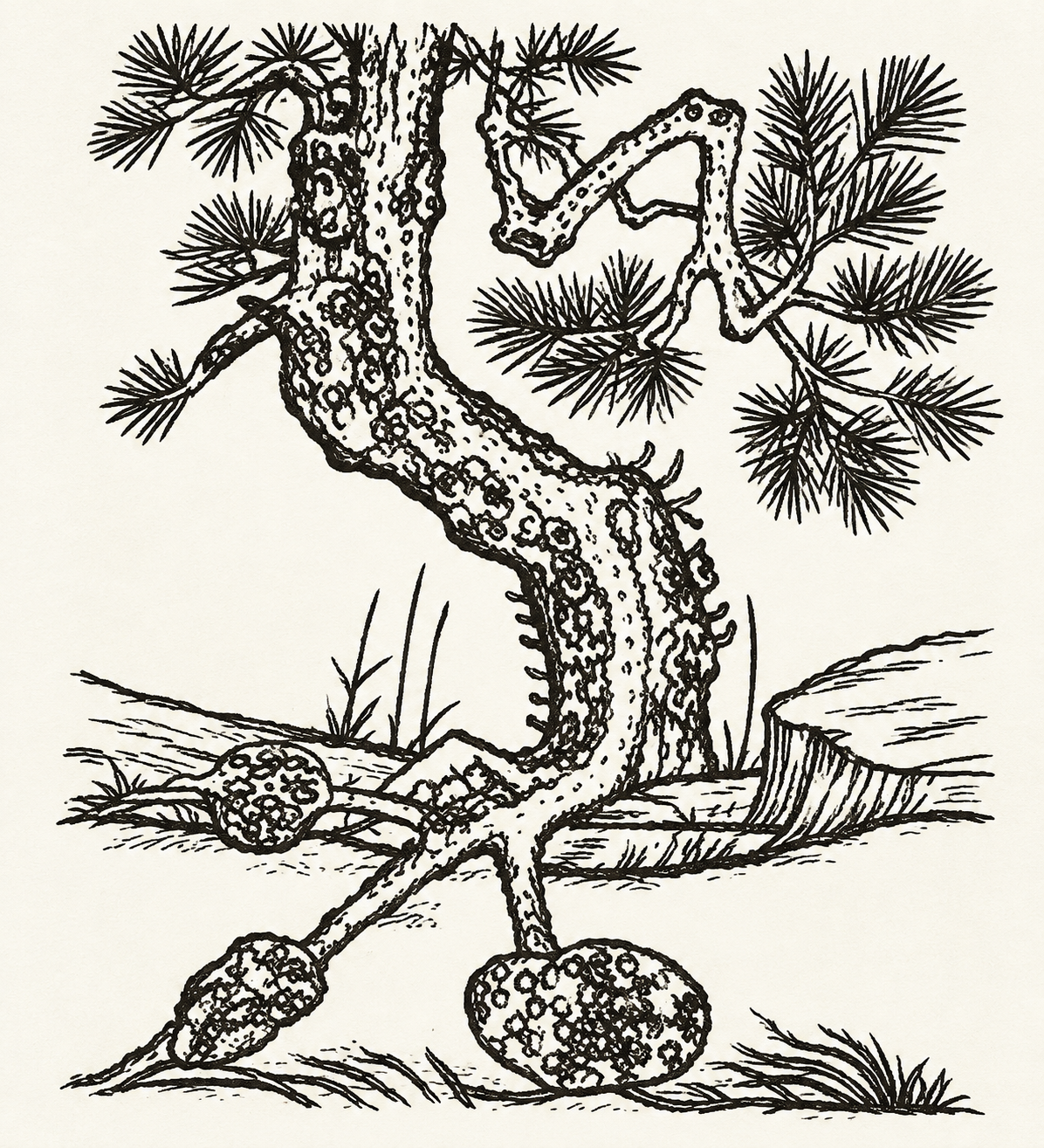
Yanzhou Fu Ling, after an illustration from the Bencao Tujing tradition (11th century). Digital reconstruction.
Fu Ling (Poria): How to Use This Chinese Medicinal Food in Your Home Kitchen
Fu Ling, commonly called Poria, is an edible medicinal fungus that has been used as both food and medicine in China for more than 2,000 years. You may see it labeled Fu Ling, Poria, Poria cocos, Wolfiporia cocos, Wolfiporia extensa, Pachyma hoelen, Hoelen, or Tuckahoe.
Fu Ling is sometimes casually described as a medicinal mushroom, although technically the part we eat is not a mushroom cap or fruiting body. It is the dried sclerotium, a dense underground mass of fungal tissue that develops in association with pine roots.
What is Fu Ling used for?
In Chinese medicine, Fu Ling is considered sweet, bland and neutral. It is traditionally used to gently clear accumulated dampness while supporting healthy digestion and fluid metabolism. It also has a mild calming effect.
“Dampness” is a kind of unhealthy or pathological yin. This is different from the good, healthy yin that the body needs. Healthy yin includes the body’s nourishing and moistening substances—jing-ye (body fluids), yin, and the nourishing, fluid aspects of xue (Blood). These fluids moisten the tissues, keep the joints moving smoothly, nourish the organs, and allow things to move and function properly.
Dampness, by contrast, is fluid that has become poorly transformed, poorly transported, or accumulated where it does not belong. Rather than nourishing us, it gets in the way. It may show up as a sense of heaviness or sluggishness, puffiness or fluid retention, digestive bloating, poor appetite, loose or sticky stools, excess mucus or phlegm, or a heavy, foggy feeling.
Fu Ling is particularly useful because it does two things at once: it helps the body move and eliminate accumulated fluid while also supporting the digestive system, which we call the Spleen in Chinese medicine. This helps the body transform food and fluids and prevents dampness from accumulating in the first place. Traditionally, Fu Ling is also used to gently settle and calm the shen (spirit/mind).
Fu Ling at a Glance
Taste: sweet, bland
Temperature: neutral
Channels: Heart, Lung, Spleen, Kidney
Part used: dried sclerotium
Traditional actions: promotes urination and drains dampness; strengthens the Spleen; calms the Heart and shen
Especially useful for: dampness accompanied by digestive weakness, heaviness, puffiness, loose stools, poor appetite, phlegm, or fluid accumulation
Using Fu Ling in Your Kitchen
Fu Ling is easy to incorporate into ordinary home cooking. A good rule of thumb is that you can add it to almost anything that contains liquid and cooks for about 30 minutes or longer. It works especially well in soups, stews, broths, beans and lentils, and can also be cooked along with rice and other grains.
Fu Ling has very little flavor, but the pieces themselves can have a slightly chalky texture, particularly if they are undercooked. I find well-cooked Fu Ling quite pleasant, but if you don't enjoy the texture, you don't have to eat the pieces. Simply leave them behind in your bowl. Cooking Fu Ling with your food still allows water-soluble constituents to enter the cooking liquid.
Rather than treating Fu Ling as another supplement to remember to take, the idea is simply to make it part of foods you already cook.
Basic Kitchen Instructions
Fu Ling comes in cubes, slices and curled pieces. All can be prepared the same way.
Rinse.
Soak if you can. Cover with water before cooking. Even 30 minutes helps; 1–2 hours is better. Hot or very warm water speeds the softening process. If soaking overnight, use cool water and refrigerate.
Keep the soaking water. There is generally no need to discard it. Add the Fu Ling and its soaking water directly to the food you are cooking.
Cook. Add it to your soups, stews, rice, beans, broth or other dish, and cook normally. Thin slices and curls hydrate more readily than large cubes.
How much?
For everyday food use, use a small loose handful for a dish serving 2–4 people—approximately 2–4 tablespoons of loose pieces. There is no need to weigh it. Think: small handful.
A Note About Regular Use
Fu Ling is gentle, but it is still medicinal. Because its action is partly to move excess fluid and promote urination, it is not necessarily an everyday food for everyone. If you tend toward significant dryness, excessive urination, or depletion rather than dampness, regular use may not be appropriate. If Fu Ling has been recommended specifically for you, follow the guidance given by your practitioner.
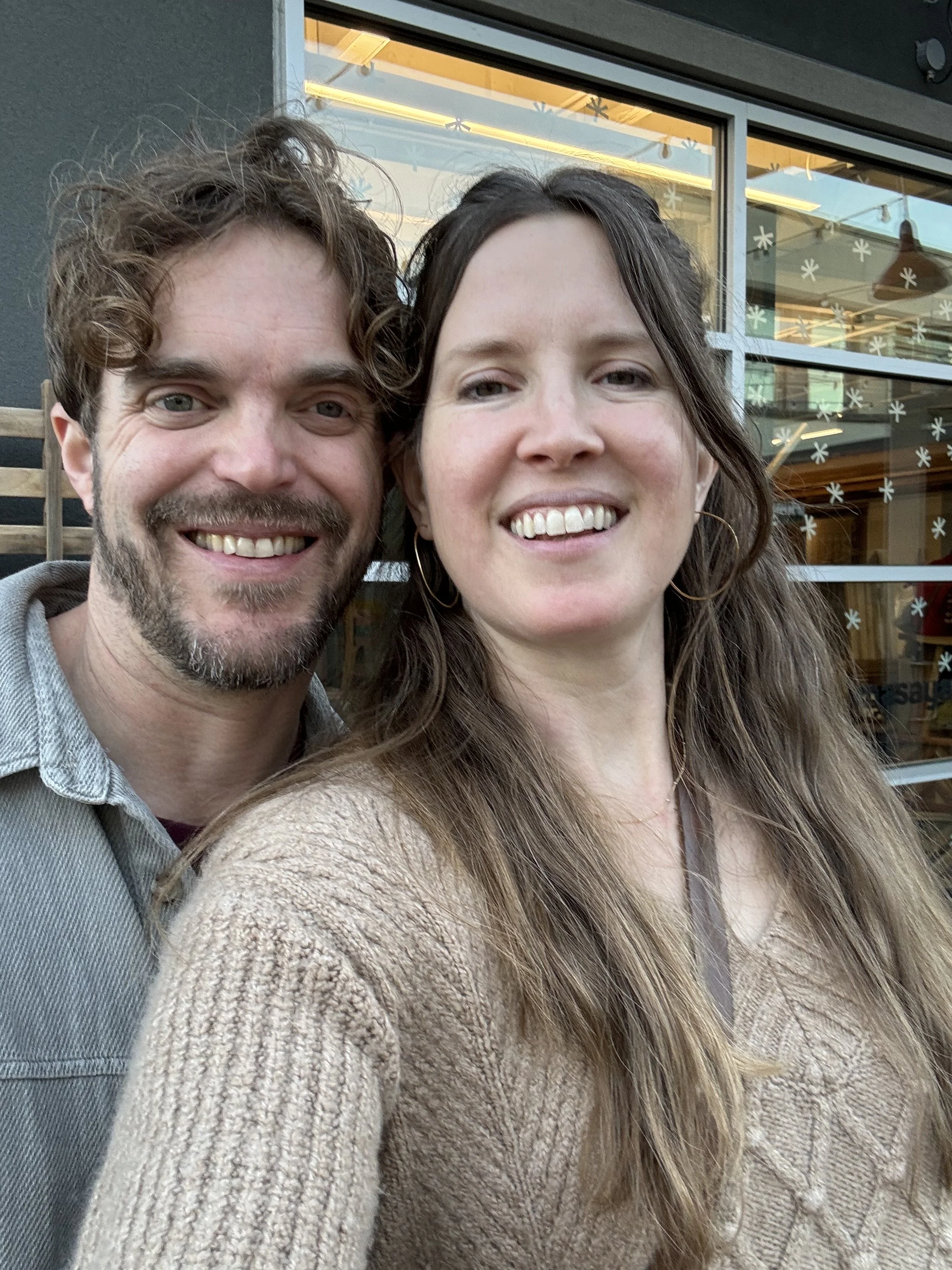
Dr. Anne Shelton Crute and Dr. Adam Okerblom, co-founders of Ritual Health Acupuncture & Herbalism.
About the Authors
Dr. Anne Shelton Crute and Dr. Adam Okerblom are licensed acupuncturists and Doctors of Acupuncture and Oriental Medicine, and the co-owners of Ritual Health Acupuncture & Herbalism, serving the San Francisco East Bay with locations in Berkeley, Albany, and El Cerrito. Their clinical work is rooted in classical Chinese medicine, acupuncture, Chinese herbal medicine, and the study of classical medical and philosophical traditions. Adam also practices and teaches Tibetan Medicine (Sowa Rigpa) and translates Tibetan medical texts.
In addition to their clinical practice, Anne and Adam teach future acupuncturists in graduate and doctoral programs throughout California, offer continuing education for licensed practitioners nationally, and teach online classes for both practitioners and patients. Their work emphasizes understanding the body in relationship to food, season, environment, and time—and making traditional medicine practical enough to become part of everyday life.
To learn more about classical Chinese medicine, Tibetan Medicine, acupuncture, herbal medicine, and upcoming classes, explore Ritual Health. To work with Anne or Adam, schedule an appointment or just come visit and say hi.